2 de setembro de 2007

29 de julho de 2006
PAX
I wanted a system that would be equal to the dynamics of curiosity. I wanted to have a music where I could have some fun.

Anthony Braxton
So, yes, I am in the underground, but actually, it feels like home.
30 de dezembro de 2005
Hermeto Ao Vivo
“O público que me acompanha já sabe que o disco é completamente diferente do show. Nunca é igual, porque, no palco, gosto de dividir a criação também com o público, que se sente dentro daquele arranjo. No meu trabalho de palco, também existe teatro, interpretação. Quem vai o meu show quer novidade.”
Hermeto se apresentou no SESC Interlagos em 29.06.2003, promovendo seu álbum Mundo Verde Esperança (RM, 2003). Para o deleite do leitor, duas interpretações.
Entrando pelos Canos (11.52 MB)

24 de dezembro de 2005
Interseção
Não, o im·promp·tu' não acabou. Só passa por uma interseção enquanto cuido um pouco de minha vida acadêmica, que já vai se aproximando da derradeira etapa.
###
Enquanto isso, alguns itens que se acomodam bem a estas épocas festivas:

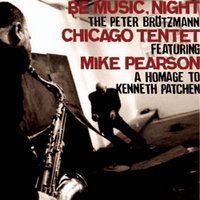
The Peter Brötzmann Chicago Tentet - Be Music, Nigth (Okkadisk, 2005)
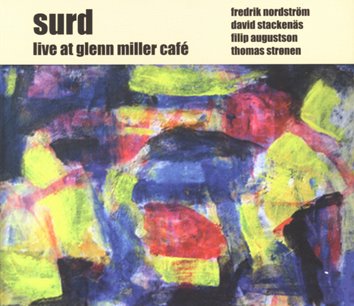
Surd - Live at Glenn Miller Café (Ayler, 2004)
6 de novembro de 2005
Hands down

"FJ: Do you find that the more you are learning, the more that knowledge sparks your curiosity?
KEN VANDERMARK: Yeah, definitely, definitely. You think you know something (laughing) and then you find out that you really don’t know that much and you have to go back. A perfect example is the tour with Brotzmann and Brotzmann’s Tentet in the United States with adding William Parker and Roy Campbell to his group. Just to take Peter for example. Every single night that we played, and I think there was nine gigs in two weeks, plus two days in the studio, I got to hear Peter Brotzmann play every single night. And every single night, he kicked my ass so hard musically and there was a piece that he wrote that we worked on called 'Stone/Water' and in that piece, towards the end of it, there is a section where Jeb Bishop plays an improvisational section and then I’ve got to play an improvisational section and then Peter plays after me and I had to do that nine concerts plus the studio recording of it. And everyday, I knew that he was going to take this solo after me and everyday, I would do everything that I could possibly think of to do something that would not make me look pale in comparison. And everyday, he came in and he just destroyed me. It wasn’t a competitive thing, but it was like an understanding that he is playing on such a level with so much energy and creativity, it was just like he was knocking me all over the block. That pushed my playing through the roof. I came off that trip with all this other stuff that I didn’t have before. Playing with people like that forces you to find things. It forces me to ask questions like, 'What am I going to do tonight to not look like a fool?' It pushes your curiosity through the roof more."
Via Jazz Weekly.
" (...) A familiar figure appeared during the set break: local hero Ken Vandermark, setting his bass clarinet and baritone sax on stands. Hooray! Vandermark never got a chance to play his bass clarinet, but no one seemed upset: the second set was one long improvisation where Vandermark (on baritone) and Brötzmann (on gloriously contrasting alto) played with violent muscle and intensity, Brötzmann more than keeping up with the younger man. Again, this hour-long piece went through a variety of 'movements', but it's the individual moments that stick in the memory: Kessler's mad, unaccompanied bowed solo, all knuckles and flailing arms; Brötzmann's long, somber lines over a repeated, circular-breath motif from Vandermark, the two producing a sense of ominous, sweet fragility; Drake's two alternating drum parts near the end that, once understood by the other three, produced a platform for all to unite to utterly devastating effect--this was some set. When the piece came to a close, Vandermark, Drake and Kessler turned to the leader to see if he was, indeed, exhausted. He was, and so was the audience.
Outside, the thunder continued; inside the club, it had exhausted itself."
Via All about Jazz.
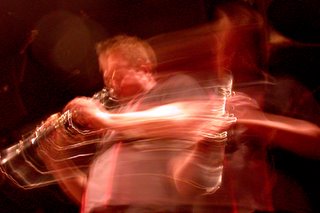
Um disco absolutamente genial. Mais uma vez, Brötzmann deixa a platéia em estado de ebulição. Infelizmente, já está esgotado (Okkadisk, 1999).
3 de novembro de 2005

24 de outubro de 2005
Lançamento

"Este CD traz, pela primeira vez, os dois álbuns do grupo PÉ ANTE PÉ, que destacou-se na cena instrumental paulistana no início dos anos 80, ao lado de conjuntos como o Divina Increnca, Grupo Um e Pau Brasil. Sua obra-prima definitiva é o álbum 'Imagens do Inconsciente', gravado por um quinteto, enquanto o primeiro trabalho traz arranjos originais para uma ousada formação de octeto, com 3 saxes e vibrafone."

EDITIO/07 1. Sambana / 2. Tutú Maracá / 3. Uma Tarde Como Essa / 4. Transformar / 5. Araponga / 6. Embrio / 7. Saguairú / 8. Retrato Dela / 9. Sugestivo da Silva / 10. Paramanaguá / 11. Salamandra / 12. Samba do Anhangabaú / 13. Mormaço / 14. Iguana / 15. Tema para Pedro / 16. Pedra Lispe / 17. Baraúna
Homero Lotito / Caito Marcondes / Teco Cardoso / Jarbas Barbosa / Mané Silveira / Xico Guedes / Tuco Freire / Betão Caldas / Nico Assumpção / Sylvio Mazzuca Jr.
Via Editio Princeps.
23 de outubro de 2005
Alice
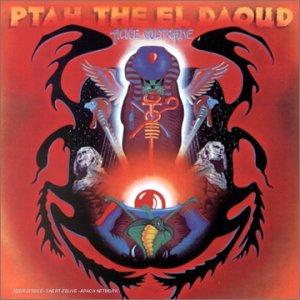
[About free-jazz] It felt like if you were to just walk out of this door and just see a new world, a new universe with so many opportunities in it. You know so many things to discover and so many vistas to look upon. It was so perfect for me. And I never felt locked in. I said what a freedom, and to have it without all of these boundaries and restrictions. Not that it was wild and undisciplined, because that was something we'd talk about. He said, [John Coltrane] 'If my music ever became such that I'm playing without thought or without concentration, I'm finished.' He said, 'I'd never want to play'."

22 de outubro de 2005
Guigou! II
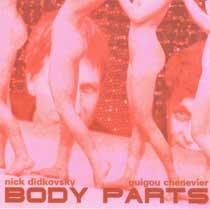
Guigou Chenevier (Etron Fou Leloublan, Volapük) e Nick Didkovsky (Doctor Nerve), estão juntos em Body Parts (Cuneiform Records, 2000), que une duas das mentes mais brilhantes e ousadas do universo R.I.O/avant-prog, em um trabalho criativo e empolgante. Mantendo o nível de excelência de seus trabalhos nos grupos de origem, aqui Guigou e Didkovsky abusam das especialidades que os celebrizaram - de um lado a percussão inventiva, folksy e opulenta do mastermind do Volapük, d'outro as composições assimétricas e complexas, e a capacidade de improvisação enérgica e pesada de Nick Didkovsky. Interessante é ouvir Guigou acelerar seu 'ritmo' natural para acompanhar o frenesi espasmódico de Didkovsky, revelando uma faceta agressiva à altura do Dr. Nerve.
Boa parte das músicas apresentam vocais, ora por Didkovsky (Pet Song), ora por Chenevier (The Man Who Hated Pets, Beautiful as Democracy) e contém letras interessantes, geralmente cantadas em ritmo atropelado e gritado:
I hate that freaggin' dog/ I hate that freaggin' dog!/ Is that your dog?/ it should be on a leash! Is that your dog?/ it should be on a leash!
Chenevier te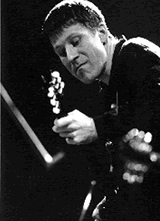 m a chance de mostrar sua verve percussionista em 'Bell'innommable', repetindo a dose em 'Soft Loud', sendo argutamente acompanhado por Didkovsky, que deixa de lado o peso para criar ambiências miríficas na sua guitarra. Já Didkovsky despeja toda sua proficiência em 'The Corpse' e 'One Wooden Leg', faixas que nos remetem ao seu já consagrado trabalho no Dr. Nerve.
 m a chance de mostrar sua verve percussionista em 'Bell'innommable', repetindo a dose em 'Soft Loud', sendo argutamente acompanhado por Didkovsky, que deixa de lado o peso para criar ambiências miríficas na sua guitarra. Já Didkovsky despeja toda sua proficiência em 'The Corpse' e 'One Wooden Leg', faixas que nos remetem ao seu já consagrado trabalho no Dr. Nerve.
Mas o destaque fica para a improvisação cataclísmica que é a última faixa, onde o duo apronta um escarcéu de microfonias, ruído, dissonâncias e solos esfuziantes, atingindo o auge em um rock pesado e distorcido como o Dr. Nerve nunca sonhou fazer (me lembrou Massacre). Genial!
Via SoundChaser.
17 de outubro de 2005
Blue Tomato, Vienna, 29.11.2004
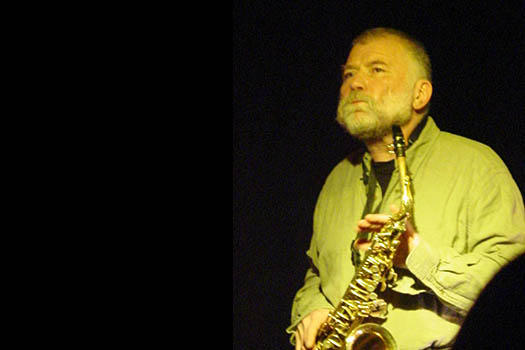
Neste preciso dia epigrafado o Die Like a Dog Trio (Brotzmänn, Drake, Parker) colocava abaixo o pequeno Blue Tomato, em Viena, numa apresentação em que certamente esteve presente o próprio Ayler - "Little Bird" -, ali, num canto, a testemunhar tudo com seu olhar soturno.
O concerto de quase duas horas foi lançado inoficiosamente, e recomenda-se a todos. Brötzmann esteve indomável. E também o público, ao que parece.
Mais sobre jazz em Viena.
16 de outubro de 2005
We Free Kings

Hoje é dia de The Art of the Improvisers (Atlantic, 1961), aliada à uma bastante iluminada performance da kirkiana Free King's Suite -- Meeting On Termini's Corner / Three For The Festival / A Handful Of Fives pelo Vandermark 5, disponível no primeiro disco de Alchemia.
[Playing a standard tune is] like having to know the results of all the changes before you even play them, compacting them in your mind. So I did that, and once I had it all compacted in my head I just literally REMOVED IT ALL and just PLAYED. (Ornette Coleman)
If Louis Armstrong was the one who said "These are the rules," and Charlie Parker, was the one who said, "No, here are the new rules," Ornette Coleman is the one who says, "Why do we even need rules at all?" (Michael J. West, Ornette Coleman: The Last Jazz Radical.)
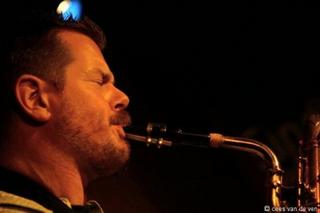
O abre-surdo
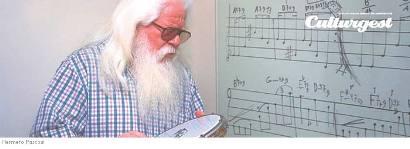
"A sua música, muitas vezes, sem uma absoluta separação entre composição e improvisação, contém sofisticadas harmonias, mas estas apenas são dissonantes pela mesma razão que os rios têm afluentes, cascatas e trajectos sinuosos mas nunca deixam de chegar ao mar. Será possível tanta sabedoria ser endossada com tamanha simplicidade? Existe coisa mais poderosa que isto?
Simplicidade, sim. Sem pretensiosas teorizações, sem pseudo vanguardismos. Mas também sem falsas modéstias. Esse homem, poderíamos dizer, é a música transformada em carne. O som tranformado em osso. Hermeto paira numa outra dimensão e é ele que de alguma forma faz o "link" entre Bach e Luís Gonzaga, entre Miles Davis e Jackson do Pandeiro, entre Jobim e Kituxi. Este homem, dizem, só podia ser brasileiro."
Hermeto, via O abre-surdo.
15 de outubro de 2005
Viaje a Erlebnis
Akinetón Retard tocando Viaje a Erlebnis, de seu primeiro álbum, em apresentação que lhe valeu o premioDarwin International 2003/2004.
Via AMN.
Via AMN.
13 de outubro de 2005
Akinetón Retard
Gêneros, rótulos, pouco ou nada dizem. Tentem explicar porque raios - um exemplo - bandas e propostas tão distintas como Henry Cow, Volapük e Mahavishnu Orchestra são colocados lado a lado, na grande categoria do rock progressivo?!? Pior, como uma banda que se vale de instrumentos de câmara - oboé, fagote, bassoon, contrabaixo, etc. - como Univers Zéro ou Gatto Marte são confinados na mesma vala? A categorização alcança tamanha sofisticação, (ou antes, a falta dela) que torna-se irracional e aleatória, o que, ao invés de servir o propósito de guiar o iniciante, acaba por segregar e tornar de difícil acesso certas bandas.

Temos um exemplo na chilena Akinetón Retard. Por alguma singularidade imperscrutável do destino, esse grupo caiu nas graças da imprensa progressiva, que logo rotulou-a como uma das grandes inovações do estilo. Ainda que fiquemos na seara do Rock in opposition (R.I.O.) ou até do jazz-fusion, o rótulo é incompreensível. Talvez a utilização de coros e susurros no primeiro álbum da banda, homônimo (Independente, 1999), tenha lembrado a alguém do francês Magma, o que significou ainda algumas comparações ao sub-gênero zeuhl, só para piorar as coisas.
Ocorre que a banda trilha um caminho único - uma vera fusão de estilos - mas, sem sombra de dúvida, sua sintaxe é jazz, particularmente daquela cepa que vai fundar-se no improviso e experimentalismo criativo sem barreiras. E, por conta d'uns desvios de classificação, o quinteto corre o risco de jamais encontrar seu público.
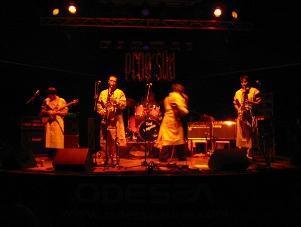
Atrevimento. Este o elemento que melhor sumariza suas composições, um alinhamento entre a pirotecnia de John Zorn, a expertise de Fred Frith ou Sonny Sharrock e os desatinos de Sun Ra. Nas entrelinhas, Massacre, Naked City, Coleman, e tantos outros. A mistura é potencializada ao vivo, conforme já pude testemunhar, e como se vê também do recente Ao Vivo (Editio Princeps, 2005) que há de ser um dos melhores lançamentos do ano.
Passado o recado, não deixem de conferir neste luxuoso álbum duplo, que guarda gravações realizadas em terras chilenas e brasileiras, petardos como Morricoleman (Morricone+Coleman), DementiaAbsorbant, Blues en Re, e Primogenia Satiria.
12 de outubro de 2005
Boas
Eduardo Chagas espalha as boas novas. Schwarzwaldfahrt (Atavistic, 2005) agora em nova edição, bonus tracks e duplo.
Via jazz e arredores.A reedição da Unheard Music Series/Atavistic, às 10 faixas originais, acrescentou outras tantas, arranjando material para um CD duplo que é de ir às lágrimas de contentamento auditivo. Peter Brötzmann/Han Bennink, Schwarzwaldfahrt.

29 de setembro de 2005
Summa

The music of AKA MOON is an attitude. We can say sometimes 'it's jazz', because improvisation takes an important place. It means we have the opportunity to re-act instantly between us in face with the energy of the present. Sometimes, people says is like 'rock music', because of the collective impact of the band. Sometimes is like 'drum and bass' because we just love to be in this kind of mood. Sometimes people says other things, but what is important is the attitude to be open to any kind of sources of inspiration.
(Fabrizio Cassol, compositor responsável pelo trio belga Aka Moon, entrevistado por Federico Marongiu. Via Carbon-7.)
Ouça Live at Vooruit (1997, Carbon-7). A força que emana deste álbum é desumana. É uma chuva torrencial. I kid you not, não negligencie este pequeno registro ao vivo - é das melhores gravações que já ouvi.
10 de setembro de 2005
Guigou!
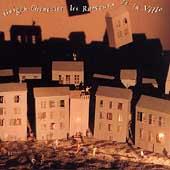
Guigou Chenevier tem demonstrado ao longo de sua carreira ser um dos grandes compositores da música de vanguarda e congêneres. Para tanto bastava sua presença à frente do Etron Fou Leloublan, um dos fundadores do R.I.O., e do Volapük, somado às suas aparições em grandes álbuns, como em Speechless, de Fred Frith e Body Parts, onde faz duo com Nick Didkovsky (Doctor Nerve). Não bastasse isso, deve-se levar em conta também sua carreira solo, que não deixa nada a desejar em relação ao seus outros trabalhos. Les Rumeurs de la Ville é seu quarto álbum solo.
A premissa do álbum é uma das mais instigadoras. Guigou gravou, por ocasião de um workshop em Avignon, vários músicos amadores, nos mais variados estágios de técnica e habilidade, que foram estimulados a tocar espontaneamente e segundo seus instintos. Chenevier, então, mesclou estes excertos às suas composições executadas por um septeto profissional (incluindo seus dois colegas de Volapük). O resultado é espetacular: violinos desafinados, trompetes vacilantes e guitarras sôfregas interagem com o virtuosismo do ensemble ao ponto de se tornarem quase indiscerníveis; deixam de ser aberrações para integrarem a obra de maneira visceral.

A tônica do álbum assemelha-se à dos trabalhos do Volapük, mas em uma vertente sóbria, menos agitada. Aqui também encontra-se presente a estreita relação que Chenevier nutre com a música popular, todas as composições, embora eruditas, apresentam sempre um traço folk. Por vezes, as composições enveredam por transições melancólicas, em quase lamentações. Tudo isso coopera para o que parece ser o mote do álbum: captar os rumores, os murmúrios da cidade. Paralelamente, temos a junção do erudito e do popular, do binômio virtuose-amadorismo. Como exemplo, na metade de 'Guerre', não se pode divisar o que é amador e o que não é. Tudo se incorpora em uma massa sonora indistinta, que emparelha todos os músicos, para construir uma interessante peça, no melhor estilo avantgarde. Por vezes, a disparidade é gritante, o que não impede a comunicação entre os instrumentos, com em 'El Zorro', onde Chenevier faz dueto com um trombone terrivelmente mal tocado. Há outras ocasiões onde isto se repete, como em 'J'ai Du Bon Tabac'.
Ao final, tem-se a execução de 'Limelight', composição de Charlie Chaplin para o filme que no Brasil levou o nome de Luzes da Ribalta. Sobre sua presença no álbum posso apenas av ançar em especulações, mas a julgar pela temática do filme, talvez tenha sido uma inspiração para Chenevier. O filme é uma magistral reflexão sobre a Arte, sobretudo em sua conexão com a figura do artista. Conexão esta que chega a ser mesmo física; na película, uma bailarina em decadência não consegue mais andar, ainda que fisicamente não haja entrave para tanto, tudo se resume em que o ocaso de sua arte é também o ocaso de seu corpo, e o presságio de sua morte anuncia também a morte de sua arte. Assim, a arte e o artista estão enlaçados de tal maneira que a meta de todo artista é romper esta sina, para que sua arte sobreviva a si próprio. Também a música apresenta estas nuances, e talvez o que Chenevier queira nos mostrar é que se pode também pensar em música independente de um intérprete.
 ançar em especulações, mas a julgar pela temática do filme, talvez tenha sido uma inspiração para Chenevier. O filme é uma magistral reflexão sobre a Arte, sobretudo em sua conexão com a figura do artista. Conexão esta que chega a ser mesmo física; na película, uma bailarina em decadência não consegue mais andar, ainda que fisicamente não haja entrave para tanto, tudo se resume em que o ocaso de sua arte é também o ocaso de seu corpo, e o presságio de sua morte anuncia também a morte de sua arte. Assim, a arte e o artista estão enlaçados de tal maneira que a meta de todo artista é romper esta sina, para que sua arte sobreviva a si próprio. Também a música apresenta estas nuances, e talvez o que Chenevier queira nos mostrar é que se pode também pensar em música independente de um intérprete.
 "That's all any of us are: amateurs. We don't live long enough to be
anything else." Calvero (Charlie Chaplin), em Luzes da Ribalta
Via SoundChaser
28 de agosto de 2005
It's good to be back, Lloyd
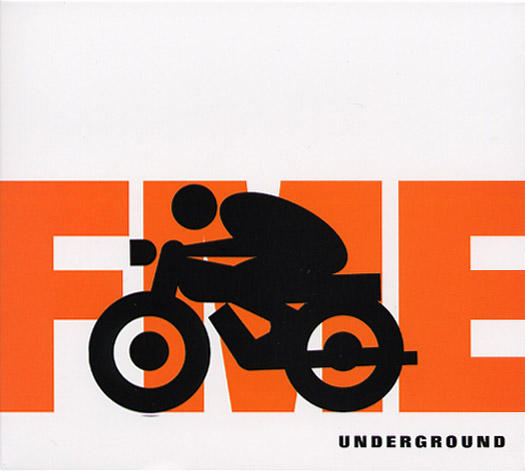
A Free Music Ensemble (FME) é mais um dos projetos do incansável Ken Vandermark, que de seu QG em Chicago inunda o mundo com dezenas dos melhores trabalhos do free-jazz atual. Vandermark 5, Hoxha, DKV Trio, Territory Band, AALY Trio, são apenas algumas de suas formações. É fácil ficar perdido na avalanche de tantos lançamentos. Underground (Okkadisk, 2003) é uma aposta segura pra quem não quer perder tempo: secundado por Paal Nilssen-Love (bateria) e Nate McBride (baixo), Vandermark propulsiona com seu sax barítono uma torrente de improvisações extremamente penetrantes e iluminadas. Boa parte do valor da obra está na dupla de apoio - agressiva e intensa nos momentos certos - não se limitando a apenas ser o porto seguro para a pirotecnia de Vandermark, mas sendo o contraponto criativo e desafiador para as improvisações do líder.
19 de julho de 2005
Catonapotato
O grupo Volcano the Bear lançou agora em maio de 2005 seu novo álbum, que registra performances ao vivo em Leicester (Inglaterra), Paris, Norrköping (Suécia) e Sheffield (Inglaterra). Se calhar de ser um trabalho tão excêntrico quanto o The Idea of Wood (Textile, 2003), é obra obrigatória para quem aprecie Robert Wyatt, This Heat, Faust, sonoridades free, cacofonia, experimentalismos dadaístas, e que tais.
"VOLCANO THE BEAR - Catonapotato (Digitalis 014) "Volcano the Bear was formed in 1995 with the constant idea of being a group with uncompromising and boundless ideas, and they've always tried to aim for a live environment where they can do whatever they please. This results in a live show that, beyond grandiose sonic qualities, blends the very essence of key words such as surreal, shifting moods, myriad of instruments, humor, beauty and to a certain degree, even self-indulgence. That said, these sonic transgressors are not for everyone. If you're a fan of free-form improvisations, free jazz, weird drones, pagan folk, whimsical acoustic pieces, disjointed percussive riffs, crackling electronics and actually own more than one record by either the Sun City Girls, This Heat, Faust, Residents, The Shadow Ring or Captain Beefheart, then you owe it to yourself to check out these cats."
17 de julho de 2005
Rondó
I can't remember exactly if I met him the first time I saw him with Miles or if I met him when he toured with his own quartet, but I remember meeting him one evening at the Montmartre Club. The big jazz guys would always come down to the club after their own concert because there was always somebody interesting playing there, like maybe Johnny Griffin or Don Byas or someone. I remember a whole bunch of us hanging out and jamming with Coltrane -- come to think of it, maybe it was when Coltrane's quartet was in Copenhagen because I seem to remember Cecil Taylor was at the Montmartre and both groups were in town at the same time in November of 1962. Anyway, Ayler sat-in that night and I remember later hearing that Coltrane commented, after hearing Ayler play, that he had once dreamt that he would someday be playing the same way Albert did. (John Tchicai - entrevista por Mike Trouchon)
Albert [Ayler] we found out quickly, could play his ass off. Some critics said his sound was primitive. Shit, it was before that! It was a big massive sound and wail. The crying, shouting moan of black spirituals and God music. Pharaoh [Sanders] was so beautiful and he had a wildness to him too, a heavy force like the world could be opened, but Albert was mad. His playing was like some primordial frenzy that the world secretly used for energy. (Gennari, John. “Jazz Criticism: Its Development and Ideologies.” in Spiritual Unity and the Resurrection of Albert Ayler.)
(...) Coltrane was greatly influenced by Ayler, even commenting to the younger musician after recording Ascension: “I recorded an album and found that I was playing just like you". (Wilmer, Valerie. "As Serious as Your Life: The Story of the New Jazz". London: Allison & Busby, 1977 in Spiritual Unity and the Resurrection of Albert Ayler.)


Assinar:
Postagens (Atom)


 Postagens